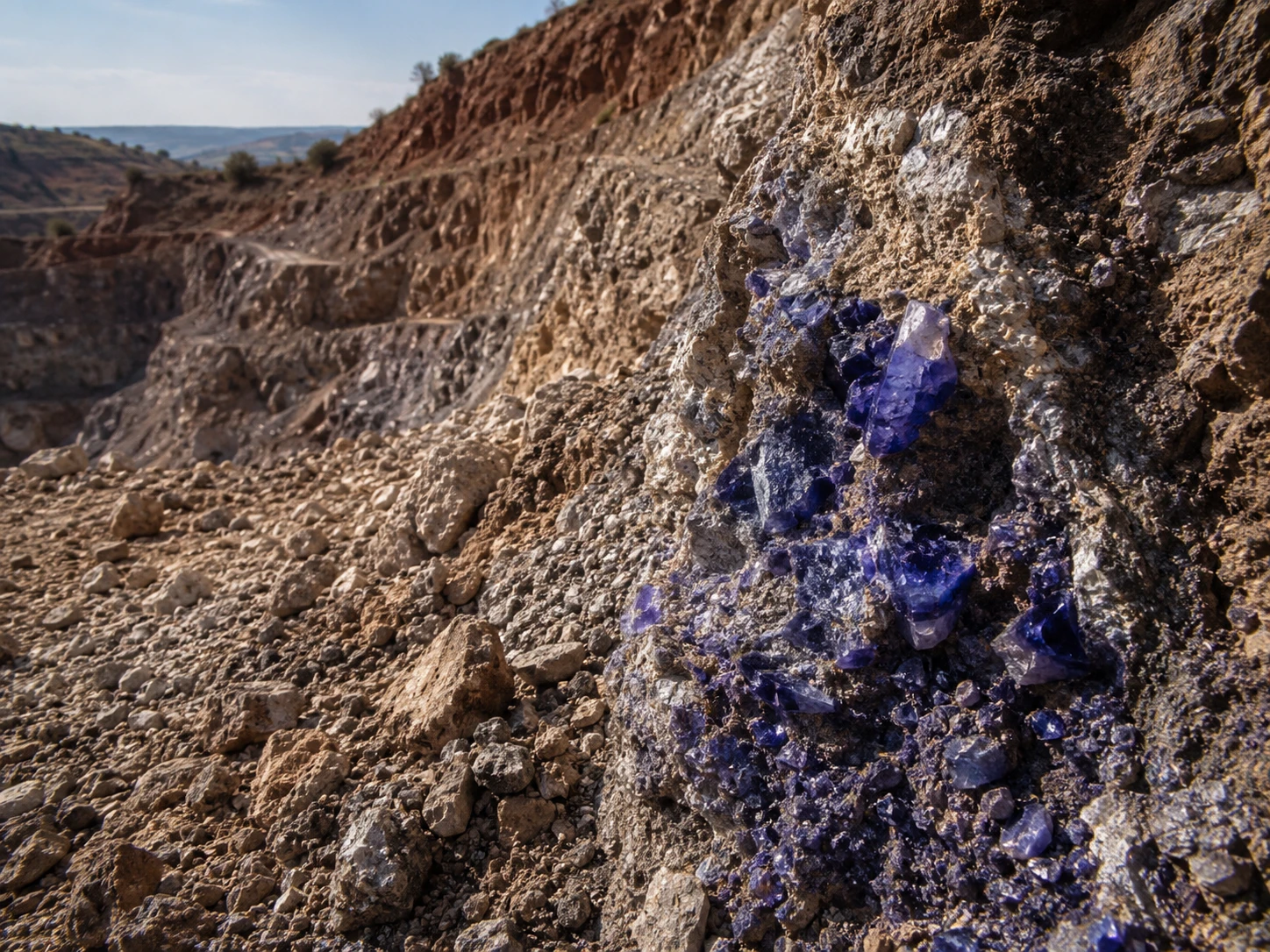

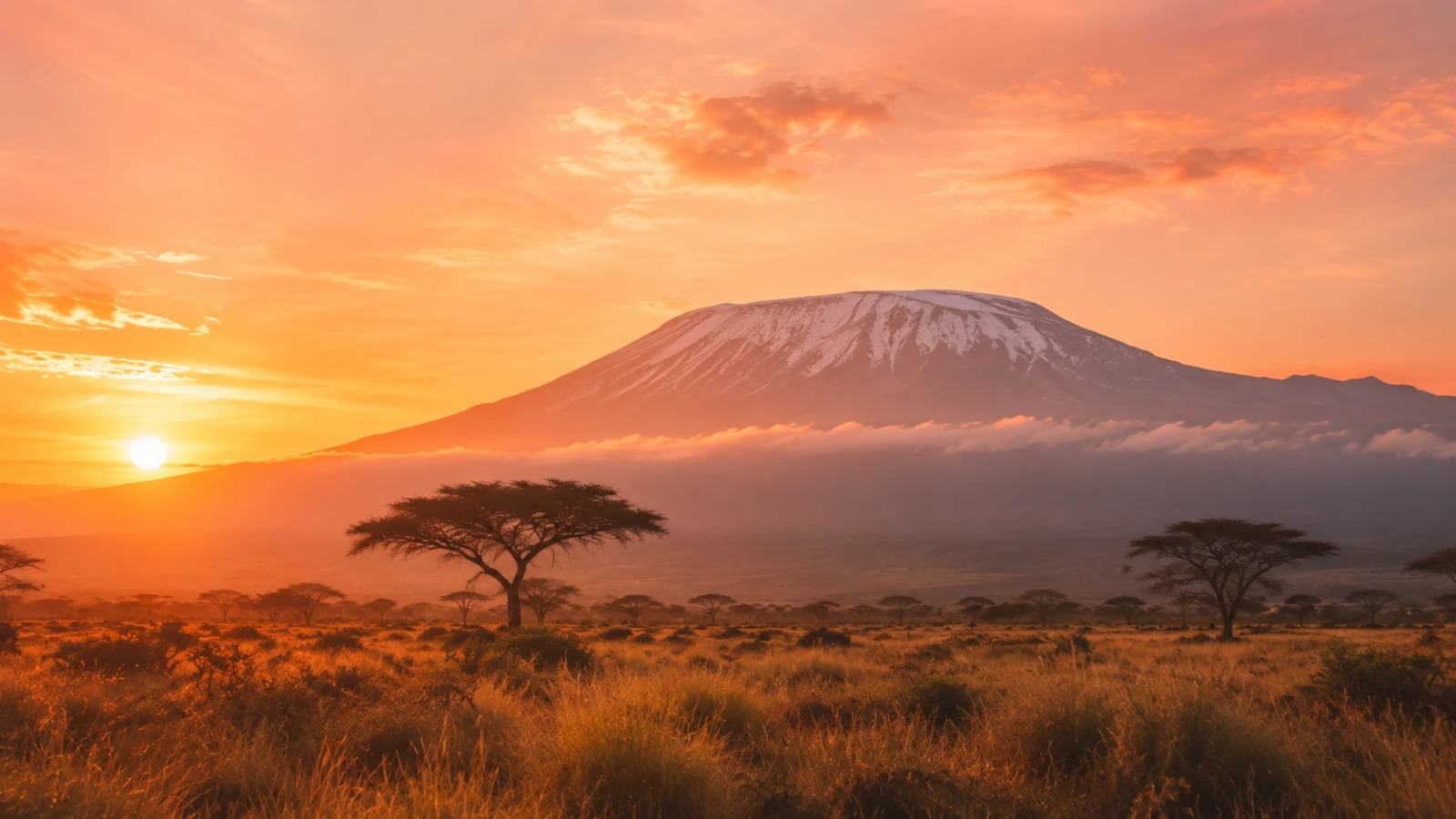
Tanzanite is unearthed in a single place: the Merelani hills at the foot of Kilimanjaro. Every piece the Maison sells begins there, whatever route it takes afterwards.
Commercial tanzanite is found in one place on Earth: the Merelani hills of northern Tanzania, near the foot of Kilimanjaro.
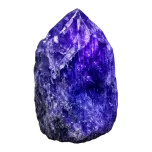
The crystal shows a different colour down each of its three directions, which is why the cutter’s first decision matters most.
There is no standard quality scale for tanzanite. GIA evaluates the stone without grading it, so a letter like AAA is a description the seller wrote.
Found in 1967 and named the year after, tanzanite is one of the youngest gemstones in fine jewellery — with no antique supply to draw on.

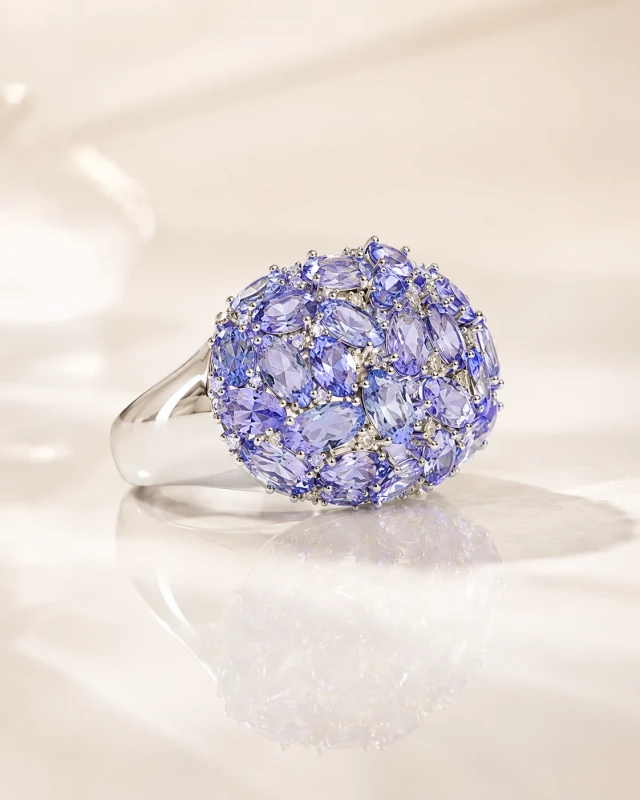
We do not mine, cut or set. We choose finished pieces from the workshops that make them, and we ask each workshop to state in writing where the stone came from and what has been done to it. The answer goes on the piece's own page — including when the answer is that nobody has told us yet, and including when it is one we cannot reconcile.
THE MAISONTHERE IS NO SCALE TO JUDGE IT BY
Diamond has a grading report. Tanzanite does not. GIA will identify a tanzanite, record its weight and measurements and name any treatment it can detect — and will not assign it a quality grade, because no standard scale exists to assign one from. Every AAA, AA and A you will read is a label a seller invented for their own stock.
What is left is looking. Colour saturation, the cut, what is visible inside the stone, and size, judged by eye against other stones. That is the whole method, and anyone who tells you otherwise is selling you their own alphabet.
READ THE FULL ANSWER
Tanzanite asks for gentler habits than diamond: no ultrasonic cleaners, no sudden heat, a soft cloth after wearing. Every Maison Tanzanite creation may return to the maison for cleaning and service, for life.
CARE & REPAIR